Impact Action Foundation Ltd/GteImpacting today, sustaining tomorrow

Turning purpose into action.

Impact Action Foundation translates its mission into practical programmes across education, empowerment, environment, livelihoods and community development. Five areas of work, designed together, delivered with the communities they serve.
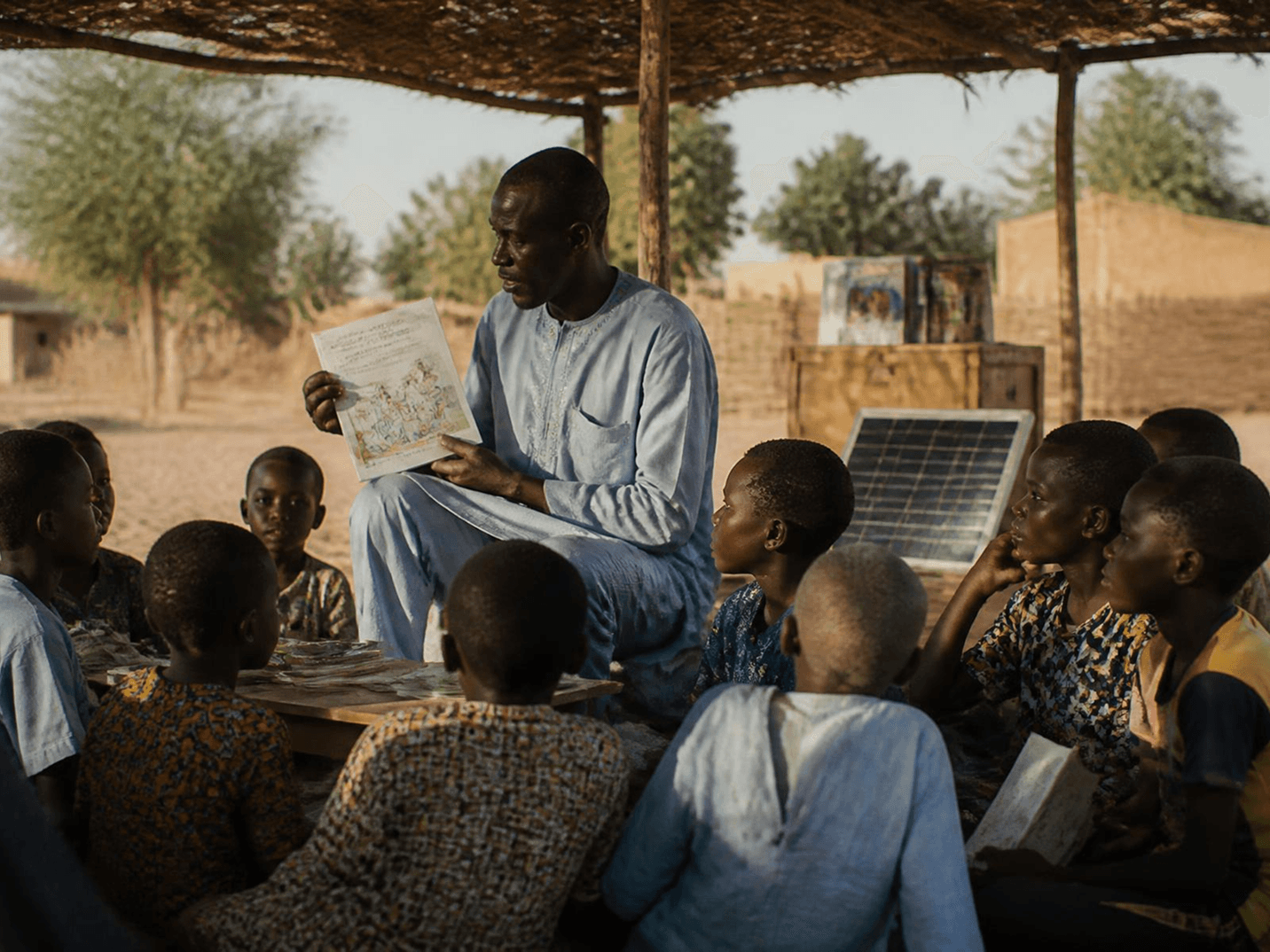
A facilitator reading aloud to children seated under a shade structure at a community learning session

05Programme areas in the first three years
Field documentation · Community learning session

01Overview

Five areas. One purpose.

Our programmes are interconnected by design. Climate Action, Quality Education, Social Empowerment, Economic Empowerment, and Humanitarian Partnerships each stand on their own, but together they contribute to the same sustainable social and environmental outcome.

  1. 01

    Climate Action

  2. 02

    Quality Education

  3. 03

    Social Empowerment

  4. 04

    Economic Empowerment

  5. 05

    Humanitarian Partnerships

Community members planting mangrove seedlings along a tidal flat

Environment

Climate Action

Drive practical, technology-enabled environmental solutions by combining direct interventions with advocacy and innovation to help communities adopt sustainable practices at scale.

  • Renewable Energy
  • WASH
  • Circular Economy
  • Green Tech

Who we serve

Rural and under-served communities, school facilities lacking basic infrastructure, as well as environmental technology innovators and startups.

What we do

  • Solar mini-grid and clean-energy installations for schools and clinics.
  • Reforestation and biodiversity programmes with digital GIS monitoring.
  • Borehole, water-treatment, and community-based recycling projects.
  • Environmental innovation challenges and green-technology hackathons.

100+

Communities targeted

Combined infrastructure footprint targeted across clean energy, WASH, and circular-economy pilot projects.

Target — not yet achieved

Education

Quality Education

Improve both the reach and standard of education at all levels, from foundational schooling for vulnerable children through to skills training and lifelong learning for youth and adults

  • Mentorship
  • Girl-child Education
  • Digital Literacy
  • Vocational Skills

Who we serve

Vulnerable and indigent children, out-of-school and at-risk girls, students in under-resourced schools, and youth or adults seeking vocational or continuing education.

What we do

  • Mentorship, bursaries, and school-supply support for indigent children.
  • Girl-child mentorship, retention, and re-entry programmes.
  • Digital literacy labs, coding clubs, and e-learning access initiatives.
  • Vocational training, adult literacy, and climate education partnerships.

5,000+

Learners targeted

Combined enrollment and skills-training target across all educational initiatives.

Target — not yet achieved

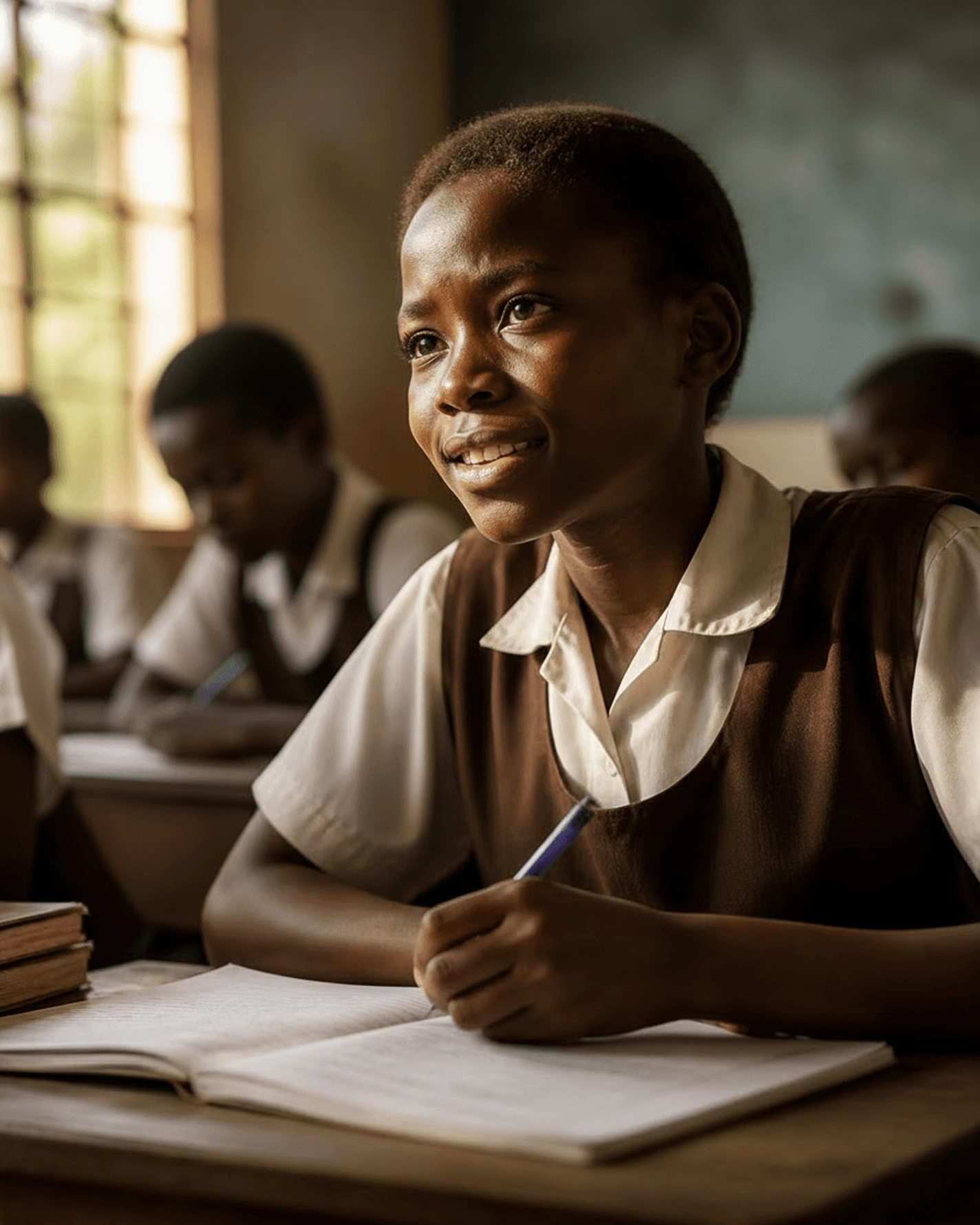
A secondary-school student writing at her desk during a lesson
Women gathered around a workbench reviewing plans together at a community enterprise session

Empowerment

Social Empowerment

Pair practical economic tools like savings, credit, and financial literacy with leadership development and rights-based advocacy, ensuring that empowerment translates into both income and influence.

  • Financial Inclusion
  • Leadership
  • Rights Advocacy
  • Social Justice

Who we serve

Women, youth, persons with disabilities, and other socially or economically vulnerable groups.

What we do

  • Savings-group, microcredit, and financial-literacy programmes for women and youth.
  • Leadership academies, mentorship, and networking programmes.
  • Legal-aid clinics and advocacy initiatives addressing gender-based violence.
  • Inclusion programmes tailored for persons with disabilities.

5,000+

Individuals targeted

Combined empowerment, advocacy, and financial inclusion target.

Target — not yet achieved

Livelihoods

Economic Empowerment

Treat economic opportunity as the foundation of community development, spanning agriculture, enterprise, light manufacturing, and innovation.

  • Poverty Alleviation
  • Entrepreneurship
  • Agriculture
  • Youth Sports

Who we serve

Smallholder farmers, unemployed and underemployed youth, aspiring and early-stage entrepreneurs, MSME owners, and youth athletes.

What we do

  • Business incubation, seed grants, and mentorship for early-stage entrepreneurs.
  • Agricultural extension services and agribusiness value-chain support.
  • Vocational manufacturing, artisan skills training, and innovation hubs.
  • Community sports programmes and talent-development leagues.

15,000+

Livelihoods supported

Combined target for entrepreneurs, farmers, and youth athletes engaged across all enterprise programmes.

Target — not yet achieved

Women working at sewing machines during a vocational manufacturing session
Aid workers and community members kneeling in a circle with their hands joined on the ground

Partnerships

Humanitarian Partnerships

Establish an emergency-response capability alongside long-term programming, while building the systems and partnerships needed to scale all activities credibly.

  • Emergency Relief
  • Capacity Building
  • Strategic Partnership
  • Resilience

Who we serve

Disaster- and crisis-affected communities, partner community-based organizations, and institutional governance systems.

What we do

  • Emergency relief distribution, including food, non-food items, and temporary shelter.
  • Disaster-risk-reduction training and community preparedness planning.
  • Capacity-building support for grassroots community-based organizations and partner NGOs.
  • Formal partnerships (MOUs) and institutional systems development to strengthen accountability.

50+

Strategic partnerships

Combined target for formal MOUs and grassroots partner NGOs supported.

Target — not yet achieved

03How We Work

From ideas to action.

Programmes are structured and intentional, not a series of charitable gestures. Each one moves through the same five-step discipline before it earns the right to scale.

  1. 01

    Understand

    We start with listening — community consultation, local data and existing structures before any design work begins.

  2. 02

    Design

    Programmes are designed with community members, not for them, against a theory of change everyone can hold.

  3. 03

    Deliver

    Delivery runs through local partners and community leadership so ownership stays where the work happens.

  4. 04

    Measure

    Baselines, outputs and outcomes are tracked against published targets rather than anecdotes.

  5. 05

    Improve

    What we learn — including what does not work — is published openly and folded back into design.

04Community-Centred

Change works best when communities are part of it.

Every programme begins with consultation and is delivered through local partners and community leadership. Communities set the priorities, hold the plan and carry the work forward once our direct involvement ends.

  1. 01

    Community participation

    Priorities are set with residents, not assumed on their behalf.

  2. 02

    Local partnerships

    Delivery runs through organisations already trusted locally.

  3. 03

    Sustainable solutions

    Designed so the work continues without us.

  4. 04

    Measurable outcomes

    Progress reported against published targets.

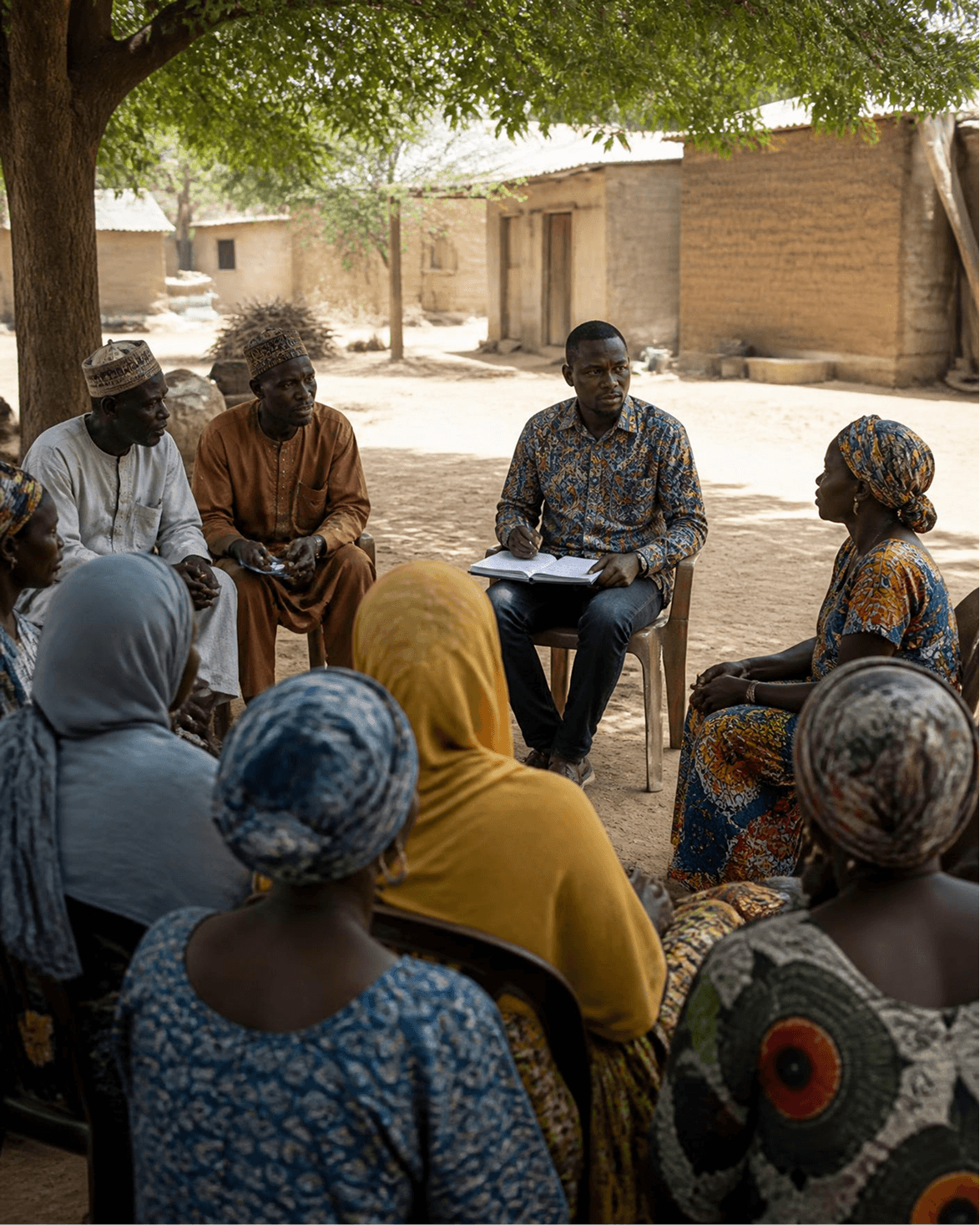
A community meeting under a tree, with residents seated in a circle around a facilitator taking notes

There is more than one way to create change.

Programmes need funding, expertise and local partnership to move from design into delivery. Choose the route that fits your organisation.

Support Our Work